How long will I need to stay?
Your specialist gives an estimated hospital stay and recovery period after reviewing your reports. We suggest a few extra days for follow-up and fit-to-fly clearance before you book the return journey.
A clear plan before you travel
Come to India for treatment, not uncertainty
Tell us what your doctor has advised and share the reports you already have. We will help you compare suitable specialists, understand the likely cost and length of stay, and organise the practical details for you and your family.
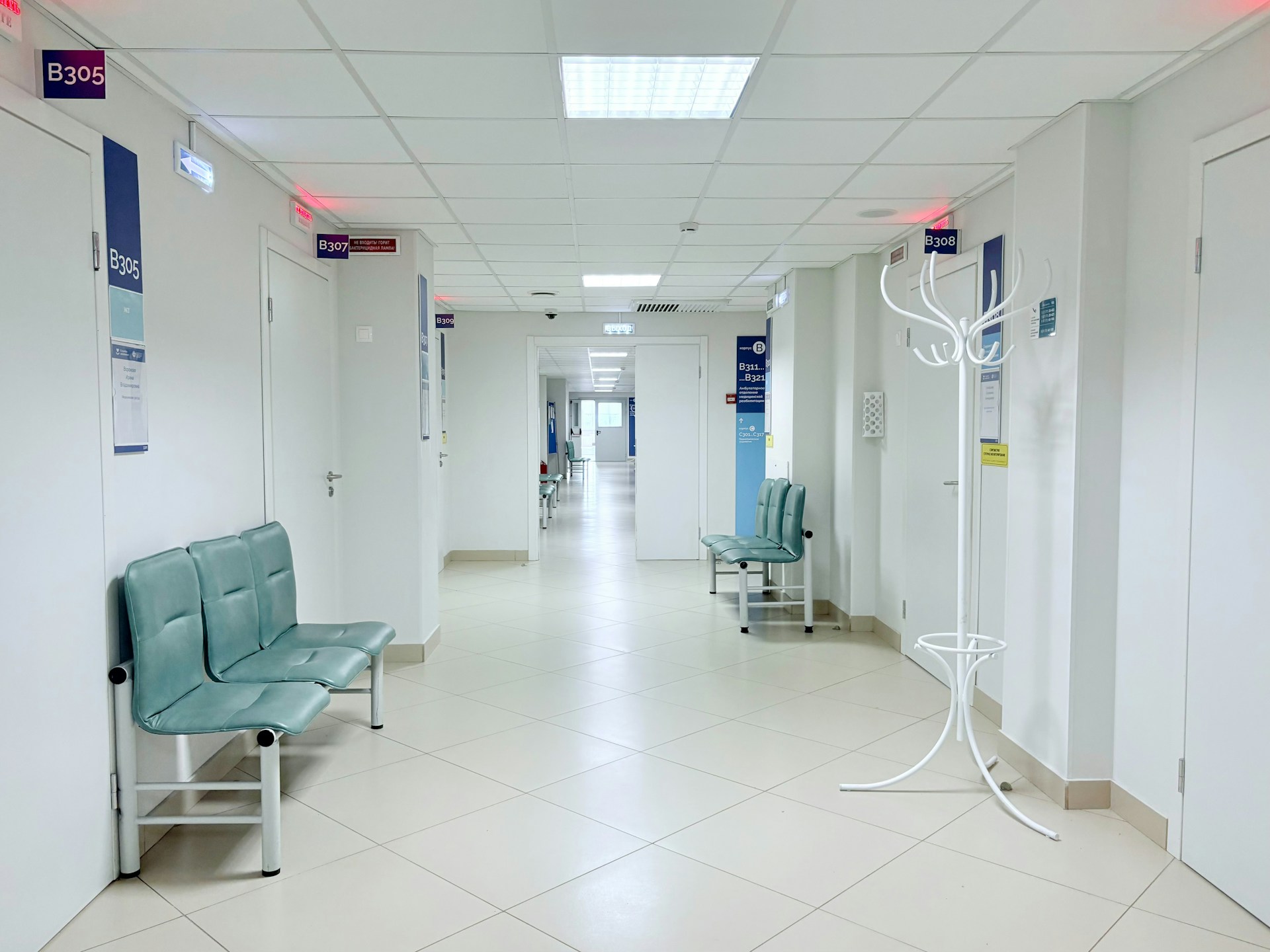
Illustrative hospital photograph by Tasha Kostyuk / Unsplash; not a Grace Care India partner location.
You will know who is treating you, what is planned and what to prepare before booking a flight.
01
Share your diagnosis, recent reports, scans and the questions you want the specialist to answer.
02
We explain the recommended doctors, hospitals, treatment approach, expected stay and written estimate in plain language.
03
Your coordinator helps with the hospital letter, medical visa, travel dates, accommodation, airport pickup and interpreter.
04
We help with medicines, follow-up appointments, fit-to-fly advice and communication with your doctor after you return home.
You should not have to coordinate a hospital, a new city and a worried family while also managing your health.
Your coordinator helps you keep track of reports, appointments and travel arrangements. Tell us which language you prefer and who in your family should receive updates.
We help you request a specialist review of your reports before you decide to travel. The doctor will explain what else they need to assess your options.
Ask us for a hospital estimate based on your reports. We help you check what it includes, what is separate and what might change after an examination.
We help you ask about accreditation, the treating team, intensive care and international-patient support. You can confirm current credentials directly with the hospital.
Enquire about the support you need, from appointments to airport transfers. We explain the proposed arrangements and any separate services before you commit.
Before you leave, ask for your discharge summary, medicine list and follow-up plan. We help coordinate further appointments and communication with your doctor at home.
Treatment abroad is a medical decision wrapped in twenty practical ones. Here is what our team takes off your hands, step by step.
Recovery does not end at discharge. We arrange verified nursing, elder care, physiotherapy and attendant support — at the hospital, your hotel or home.
Wound care, medication schedules and surgeon check-ins in the weeks after surgery.
Qualified nurses for injections, IV medication, catheter care and health monitoring.
Mobility help, fall prevention, medication reminders and companionship for senior patients.
Trained attendants for daily activities, hygiene, meals and overnight support.
Every treatment plan is different, but these are the practical details we settle with you before travel.
Your specialist gives an estimated hospital stay and recovery period after reviewing your reports. We suggest a few extra days for follow-up and fit-to-fly clearance before you book the return journey.
Yes. Many patients travel with one attendant, and some bring two. We help arrange the hospital invitation needed for the attendant's visa and plan their stay alongside yours.
An interpreter can join important consultations, admission, ward rounds and discharge. We also help explain estimates, medicine instructions and follow-up notes in your preferred language.
We suggest hotels, serviced apartments and guest houses near the hospital for different budgets. Halal, vegetarian, familiar regional meals and doctor-advised diets can be arranged.
Airport pickup and hospital transfers can be planned in advance. Your coordinator can also help with a suitable car for appointments if you prefer not to arrange local transport yourself.
You have one named coordinator throughout the journey. They keep track of appointments, speak with the hospital, help with everyday needs and make sure you know what happens next.
We ask the hospital to explain the estimate line by line, so you can plan the medical and everyday costs separately.
Keep the originals in your hand luggage and save clear digital copies where you and your attendant can reach them.
Passport and visa copies, hospital invitation letter, appointment confirmation, diagnosis, biopsy or pathology reports, scan files, discharge summaries, current treatment plan, prescriptions and travel insurance papers.
Carry enough for the journey plus a small buffer, in original labelled packaging. Bring a signed prescription listing each medicine and dose, and keep essential medicines in cabin baggage.
Some pain medicines, sedatives, stimulants and controlled drugs may need supporting documents or may be restricted. Send the list to your coordinator before travel rather than assuming it is permitted.
Pack loose front-opening clothes, slip-on footwear, personal-care items, glasses, chargers and any approved mobility aid. Add masks or other protection if your medical team recommends them.
Their own passport, visa and medicines; copies of your records; your medication schedule; hospital and coordinator contacts; a working phone; payment cards and a small amount of local cash.
Toiletries, sanitary products, thermometers, masks, groceries, pillows and most everyday supplies are easy to buy locally. Ask us before packing anything large for a long recovery.
Medicine and travel rules can change. Confirm unusual medicines with your hospital team and the relevant Indian embassy before departure.
Every specialty is backed by high-volume teams and accredited hospitals.
Understand the treatment, meet suitable specialists and ask us about your next steps.
JCI and NABH accredited, with dedicated international patient teams.
Real outcomes from people who travelled with us.
Coordinators, interpreters and translated documents so nothing about your treatment is lost in translation.
The things almost every patient asks us in the first conversation.
Tell us what is worrying you and share the reports you have. We’ll help you work out what to ask the hospital next.